
When Your Sibling is Your First Bully
By: Dr. Denise Renye
In recent years, anti-bullying has become a big thing in schools, with numerous campaigns geared toward raising awareness about it. But what happens when the bullying occurs at home and isn’t from a parent? For many people. The first experience of cruelty, domination, or emotional harm does not happen on a playground or in a classroom. It happens at home. Having siblings can be a true gift, a true pain, and lots in between and beyond.
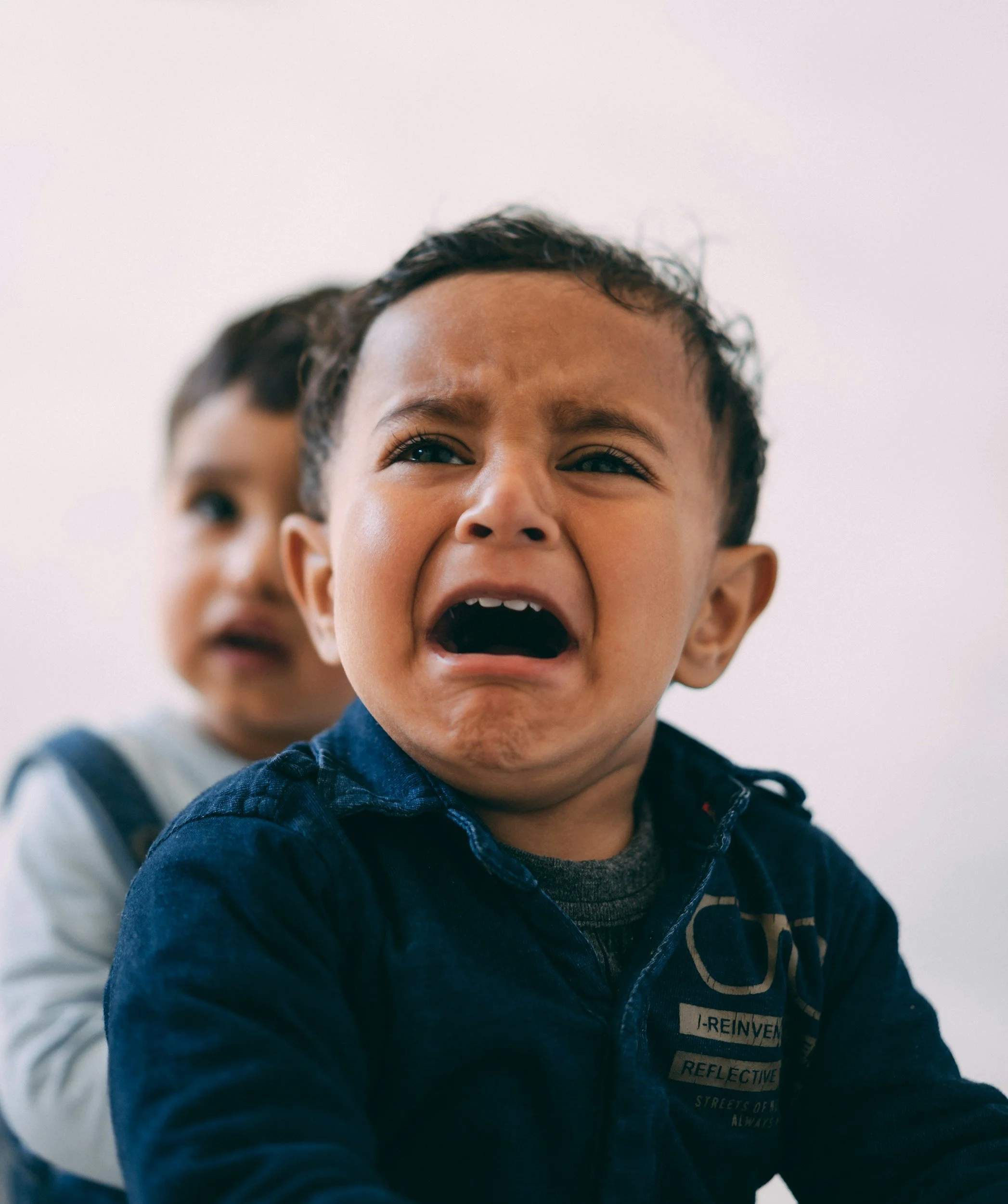
When a sibling is your first bully, the impact can be subtle yet profound. It can shape how you understand love and how you understand safety. It can even shape how you understand belonging long before you even have words for it. What is often dismissed as typical “sibling rivalry” can involve patterns of humiliation, intimidation, or even emotional erosion that leave lasting marks on the self and nervous system regulation.
This kind of early relational injury is easy to minimize, especially when it unfolds within a family that is supposed to protect you, but its effects often echo quietly into adulthood, influencing relationships, boundaries, and the way you relate to yourself.
The sad truth is sibling abuse (which includes bullying) is common. A study by Dr. David Finkelhor found more than a third (37%) of kids experienced a physical assault during the year of their study at the hands of siblings and peers. Another study found sibling victimization can swell to as high as 46%. And unfortunately, that number could be even higher because, like other forms of abuse, sibling abuse often goes unreported due to fear, embarrassment, shame, and lack of recognition from parents and caregivers that it even is abuse.
As a Marin County psychotherapist focusing on depth psychology, I define sibling abuse as the conscious or unconscious intent to harm a sibling physically, emotionally, or psychologically. It is often unidirectional, with one sibling constantly targeting the other(s), although in some cases, the abuse can go both ways. Sibling abuse may include physical injury, sexual assaults or denigration, intentional destruction of cherished possessions, and ongoing patterns of intimidation, belittling, or verbal cruelty. It is important to emphasize that verbal and emotional abuse are certainly still abuse, even when there are no visible wounds.
Sibling abuse can look like the following:
· Aggressive behavior
· Intense mocking
· Controlling behaviors
· Yelling or dominating conversations
· Taking over areas of the home
· Name calling
Our society often thinks these behaviors are normal or “sibling rivalry.” Parents will say things like, “Oh, she doesn’t mean it – that’s just how she is,” or “He’s always had a temper. Don’t take it personally.” The sibling who is abused is told to “stop reacting” or even blamed for the behavior: “Why did you upset your brother?” In some cases, the sibling is forced to apologize to their abuser. When abuse is diminished or brushed aside, the abusive sibling is never held accountable, and the sibling being abused learns they won’t be protected because their caregivers don’t do anything about it. They continue to feel afraid in their own home.
For queer children, this dynamic can carry an additional layer of harm. Siblings are often the first to notice differences, long before a child has language for their own identity. What later becomes named as queerness or gender nonconformity may first be met with teasing or surveillance. It may even be aggression. In these moments, a sibling’s cruelty can function as early gender and sexuality policing or teaching the child that visibility is unsafe and that love is conditional. When this is normalized or overlooked by adults, the message can become deeply internalized that being oneself invites harm. It may be nonverbally taught that survival depends on shrinking, hiding, or even adapting to someone else’s comfort. These could be the beginnings of self-abandonment or people-pleasing.
Sibling abuse can leave deep scars because of that lack of safety, but also because it instills gaslighting (“It wasn’t that bad”) and normalizes abuse (“He’s just rough-housing”). It also means the abuse sets a template for adult relationships. Research by Noland et al. and Simonelli et al. confirms that aggressive sibling relationships put people at risk of intimate partner violence – both enacting it and returning to the familiar role of the abused. It’s not conscious but kids learn, “Oh, this is what close relationships look like.”
People re-enact the patterns that feel most familiar to them because, for better or worse, “familiar” feels safe and people gravitate toward safety even if, from an outside perspective, the relationship is not safe. And the term “familiar” shares its origin with “family,” underscoring how early family dynamics, including sibling harm, can become the template for both what later feels recognizable or tolerable in relationships and the roles, defenses, and expectations a person brings into them.
Healing comes from first recognizing behavior for what it is: abuse. That may be a hard word to say, especially about yourself and your experiences in life. Abuse may be common, widespread, and even considered normal, but that doesn’t mean it’s healthy. Every human deserves to have healthy relationships, if they so choose, and that includes with family. As a child, we cannot choose nearly as much as we can later in life. As an adult, you no longer have to put up with bad behavior because you learned “that’s just the way they are.” That may be the case, but who you are is someone with agency so you have a choice who you interact with and who you don’t, including siblings.
If this resonates, pause and consider what felt familiar in your early family relationships, especially with siblings. Notice how those patterns may still be showing up in your adult life in terms of shaping what you tolerate, expect, or offer in your adult connections. Awareness is not about blame. It is about creating the possibility of choice. If you’d like support in recognizing whether sibling abuse occurred in your family, or if this is something you’d like to heal from, reach out for an appointment.
References
Finkelhor D, Turner HA, Shattuck A, Hamby SL. Prevalence of Childhood Exposure to Violence, Crime, and Abuse: Results From the National Survey of Children’s Exposure to Violence. JAMA Pediatr. 2015;169(8):746–754. doi:10.1001/jamapediatrics.2015.0676
Noland, V. J., Liller, K. D., McDermott, R. J., Coulter, M. L., & Seraphine, A. E. (2004). Is adolescent sibling violence a precursor to college dating violence? American Journal of Health Behavior, 28(Suppl. 1), S13–S23. https://doi.org/10/gqcnqf
Simonelli, C. J., Mullis, T., Elliott, A. N., & Pierce, T. W. (2002). Abuse by siblings and subsequent experiences of violence within the dating relationship. Journal of Interpersonal Violence, 17(2), 103–121. https://doi.org/10/dsh6tw
Tucker, C. J., Finkelhor, D., Shattuck, A. M., & Turner, H. (2013). Prevalence and correlates of sibling victimization types. Child Abuse & Neglect, 37(4), 213–223. https://doi.org/10/f5bnkk