I Thought I Was Attending a Conference on Sexuality
by Dr. Denise Renye
Conferences are supposed to leave you with new information.
This one left me with a different way of seeing.
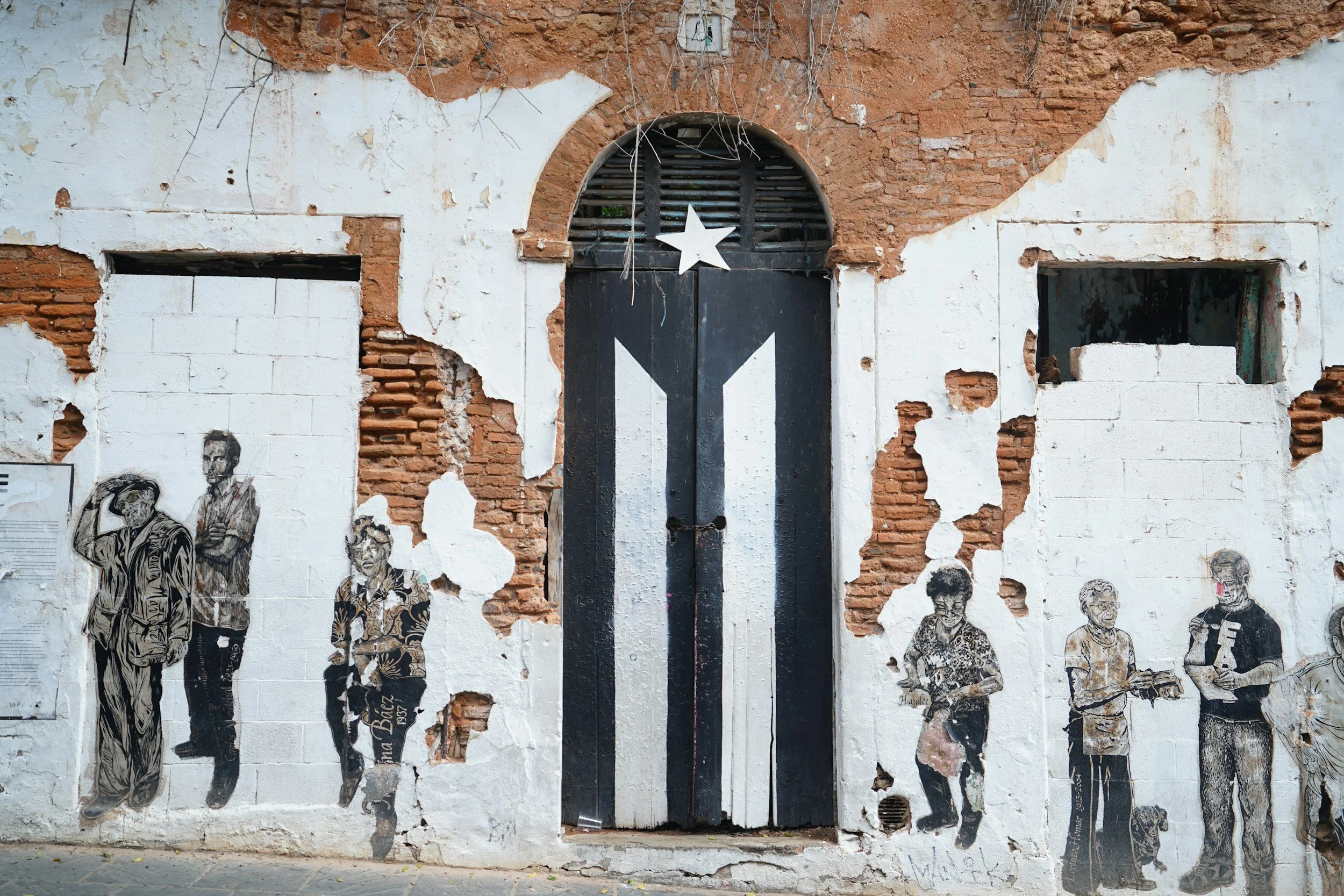
Three weeks after returning from the AASECT conference in Puerto Rico, I've realized that what has stayed with me isn't any single presentation. It's the conversation that emerged between the conference itself, the land on which it was held, and the many ways we understand what it means to be human.
I had the privilege of presenting to the Sacred Sexuality Special Interest Group, where I spoke about integrating sacred sexuality into trauma-informed clinical work. It was meaningful to contribute to a conversation that sits at the intersection of sexuality, psychology, embodiment, and spirituality, themes that have shaped my work for many years. Throughout the conference, I moved between the role of presenter and participant, attending sessions on trauma, neurodiversity, spirituality, religion, intersex experiences, pleasure, relationships, and community health. Each presentation explored a different topic, yet I found myself hearing the same questions echoed in remarkably different ways.
Outside the conference, the conversation not only continued, but deepened.
I arrived with an intellectual understanding of many of these issues. Through conversations with Puerto Ricans I met and through experiencing the land itself, that understanding became more relational. Puerto Rico's ongoing colonial relationship with the United States, the legacy of reproductive injustice and coerced sterilization, the role of art and music in cultural resistance, and the realities of queer life no longer felt like separate topics. They became part of the same conversation. I was participating in one larger conversation.
Throughout my career as a psychologist and sex therapist, I've become increasingly interested in what happens when we widen the frame through which we understand people. I've found that the questions people bring into therapy often make the most sense when they're understood within the larger contexts of their lives.
The conference didn't introduce me to that perspective. It reinforced it.
Again and again, presenters asked us to question the assumptions we bring into the therapy room. A session on neurodiversity invited us to reconsider whose experiences our clinical theories have historically privileged. A documentary and discussion on intersex experiences explored the profound consequences of making meaning about another person's body before listening to their lived experience. Discussions of spirituality challenged us to hold both the healing and harmful roles religion can play. Community health researchers widened the frame even further, reminding us that sexual health is inseparable from the social conditions in which people live.
As I reflected on my own presentation alongside the sessions I attended, I realized we were all wrestling with variations of the same question:
How do we understand people as whole human beings rather than reducing them to a symptom, a diagnosis, an identity, or a single life experience?
Outside the conference rooms, Puerto Rico kept asking that question too.
Being on the land while learning more deeply about Puerto Rico's ongoing colonial reality made conversations about bodily autonomy feel less theoretical. Learning more deeply about the history of coerced sterilization of Puerto Rican women made it impossible to think about bodily autonomy as an abstract clinical concept. It was a stark reminder that medicine and public policy have, at times, violated the very bodies they claimed to protect. Conversations about queer life highlighted the ongoing negotiation between identity, faith, community, visibility, and safety.
One of the most profound moments of the conference came through participating in Bomba. We didn't simply watch. We danced together. As many of the Puerto Ricans around me were moved to tears, I realized I was participating in something far larger than music or dance. It was an embodied expression of history, identity, resistance, and belonging. As a psychologist, it expanded my understanding of healing. Healing is not only an individual process. Communities also carry trauma. Communities preserve memory. Communities resist erasure. And through shared cultural practices, communities create spaces where dignity, identity, and belonging can endure across generations.
As psychologists, it's easy to focus on the individual because that's who sits in front of us. Yet individuals never exist in isolation.
Someone may seek therapy because of anxiety, low desire or desire discrepancy, relationship conflict, grief, or questions about identity or transition. Those concerns deserve thoughtful attention. But they rarely exist in isolation.
Perhaps that's one reason I've intentionally built my career across multiple disciplines. My work has been shaped by psychology, sexology, embodiment, spirituality, and psychedelic integration because no single framework has ever felt sufficient for understanding the complexity of being human. Rather than narrowing my perspective, each has widened the frame through which I understand the people who entrust me with their lived experiences.
That perspective has also shaped the questions I ask. The question is rarely only, What is happening? It is also, What has shaped the conditions in which this became possible?
That shift changes everything. It moves us away from blame and toward understanding, away from judgment and toward curiosity. Instead of asking how to fix a person, we become more interested in understanding the worlds they inhabit.
This is one reason I don't see psychology and social justice as separate conversations. Therapy is not policy change. Sitting with one person at a time will not dismantle colonialism, eliminate discrimination, or transform healthcare systems. But clinical work is not disconnected from those larger realities. Every time we help someone untangle shame from identity, reconnect with their body, examine inherited beliefs, heal from trauma, or reclaim agency over their own life, we are helping create the conditions in which greater freedom, authenticity, and connection become possible.
I thought I was attending a conference on sexuality.
I came home reminded that sexuality has never been only about sex.
It is about our bodies and our relationships. Our histories and cultures. Our spiritual lives, our communities, the power that shapes them, and our enduring search for belonging.
Ultimately, it is about what it means to be fully human.