
When Religious Trauma Follows You Into Your Relationships
by Dr. Denise Renye
Many people assume that religious trauma ends when someone leaves a faith community.
In my experience, that's rarely how it works.
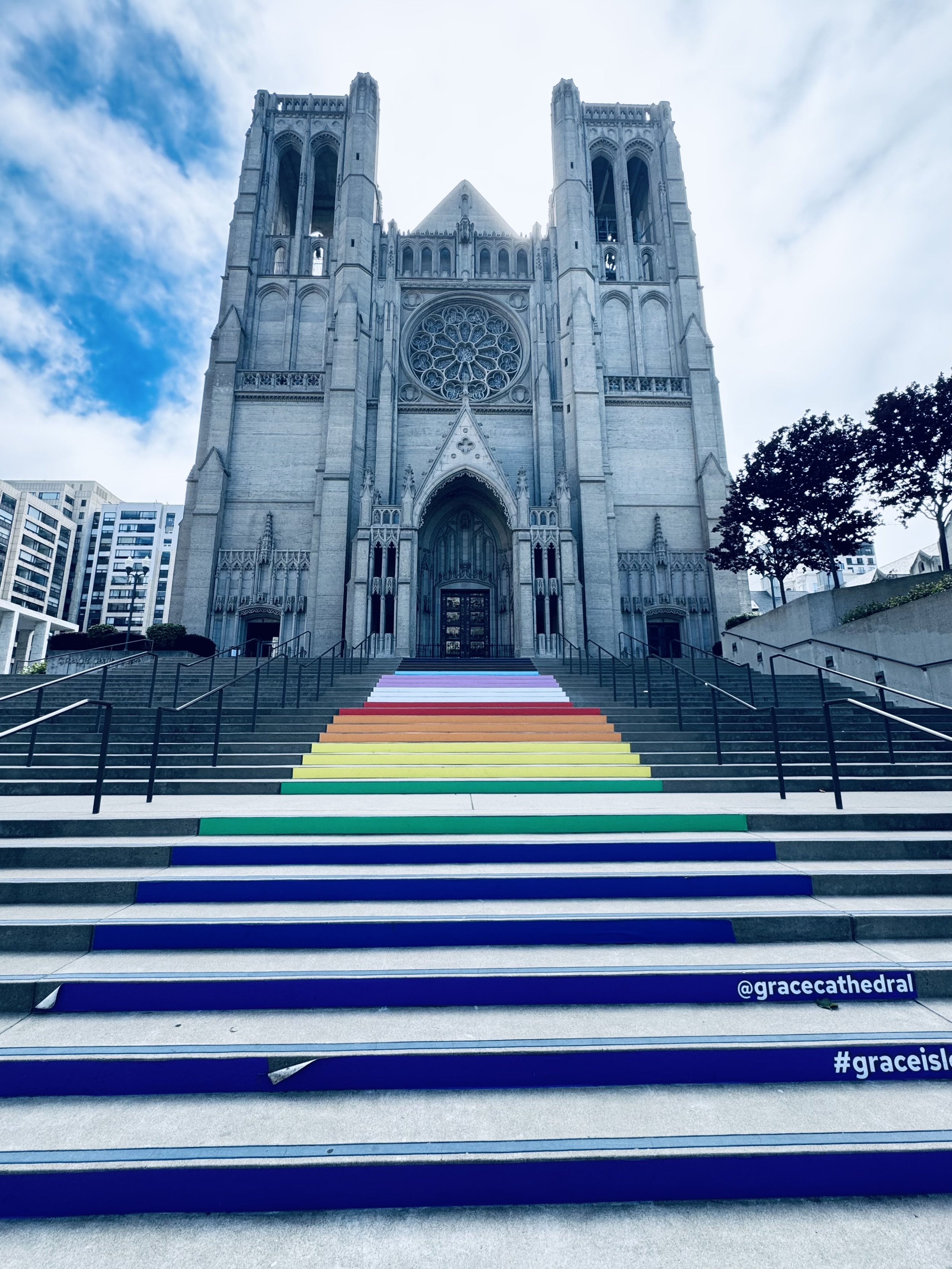
People may leave a church, synagogue, mosque, or other religious tradition, yet discover that the beliefs they were taught continue to shape the way they experience intimacy, conflict, desire, boundaries, and even their relationship with themselves.
Over the years, I've become increasingly interested in what happens when we widen the frame through which we understand people. Religious trauma is one example of why that broader perspective matters.
When I use the term religious trauma, I'm referring to more than harmful beliefs. I'm referring to the lasting impact that can occur when a person's faith community, spiritual teachings, or relationships with trusted religious leaders become sources of fear, shame, betrayal, or control rather than safety, meaning, and belonging. Because many clergy provide spiritual counseling, they often occupy relationships that invite extraordinary vulnerability. When that trust is broken, the wounds are frequently relational as much as they are spiritual.
Early in my career, I worked with an LGBTQIA+ nonprofit that collaborated with interfaith communities and congregations. As a liaison counselor, I worked with congregants who had been excommunicated from their faith communities while also consulting with clergy and faith leaders. My work focused on helping religious leaders better understand LGBTQIA+ experiences. Some clergy approached this work with genuine curiosity and compassion. Others lacked education in human sexuality and, despite good intentions or deeply held convictions, contributed to profound psychological harm through rejection, shame, or attempts to change identities that did not need changing. Supporting individuals, couples, families, and faith leaders at this intersection gave me an early appreciation for the complicated ways religion can shape both suffering and healing.
That experience shaped me in lasting ways. It taught me that religion can be a profound source of meaning, connection, community, and resilience. It also taught me that when religious teachings are used to shame, exclude, or control, the effects often extend far beyond a person's spiritual life.
Years later, I continue to see those same themes emerge in my practice. Sometimes they appear in someone who cannot set boundaries without overwhelming guilt because they were taught that love requires self-sacrifice. Sometimes they emerge in a person who intellectually rejects beliefs they no longer hold, yet whose body still responds with shame, fear, or vigilance. Increasingly, I see these patterns in my work with couples. Conversations about sex become conversations about shame. Disagreements become fears of rejection or disappointing the other. Pleasure feels unsafe. Desire feels selfish. The relationship isn't struggling because of religion itself, but because of the relational patterns that religious trauma helped shape.
The beliefs may have changed. The nervous system often has not settled yet.
This is one reason I believe religious trauma deserves to be understood not only as an individual experience, but as a relational one. The ways we learn to think about our bodies, sexuality, gender, authority, forgiveness, obedience, and belonging inevitably shape the relationships we create later in life. They influence how safe we feel expressing desire, how we navigate conflict, how we receive love, and whether we believe we deserve it.
This is particularly true for many LGBTQIA+ individuals whose faith communities communicated, directly or indirectly, that an essential part of who they were was incompatible with belonging. Yet similar dynamics can emerge for anyone whose religious experiences left them carrying shame, fear, or chronic self-doubt into adulthood.
One of the most hopeful aspects of this work is recognizing that these patterns are not character flaws.
They are adaptations.
What has been learned in relationship can also be understood, processed, and transformed through relationship.
Healing doesn't require abandoning spirituality. For some people, healing includes reconnecting with a faith tradition in healthier ways. For others, it involves grieving what was lost, creating new sources of meaning, or discovering forms of spirituality and community that affirm rather than diminish who they are.
There is no single path. There is only the work of understanding how our histories continue to shape our present, so that they no longer determine our future.
Recommended Resource
If this topic resonates with you, I highly recommend the documentary Stories of Intersex and Faith. The film thoughtfully explores the intersection of intersex experiences, faith, medicine, family, and belonging, while illuminating the lasting impact that religious beliefs and medical decision-making can have on people's lives.
Although this article focuses on religious trauma more broadly, I found the documentary to be a powerful reminder that these dynamics are not confined to any one community. I recently had the privilege of connecting with the film's director, Dr. Megan DeFranza, and intersex activist Anunnaki Ray Marquez, whose work continues to deepen important conversations at the intersection of faith, psychology, medicine, and human dignity.
You can learn more about the documentary here.