
Why the Olympics Make Us Cry: The Nervous System and Our Need for Shared Humanity
by Dr. Denise Renye
If you are like me, you cannot make it through certain Olympic events without tearing up.
It might be the final stretch of a cross-country skier pushing past exhaustion. A figure skater finishing a routine and collapsing into emotion. Two competitors embracing after the finish line, rivals only seconds before.
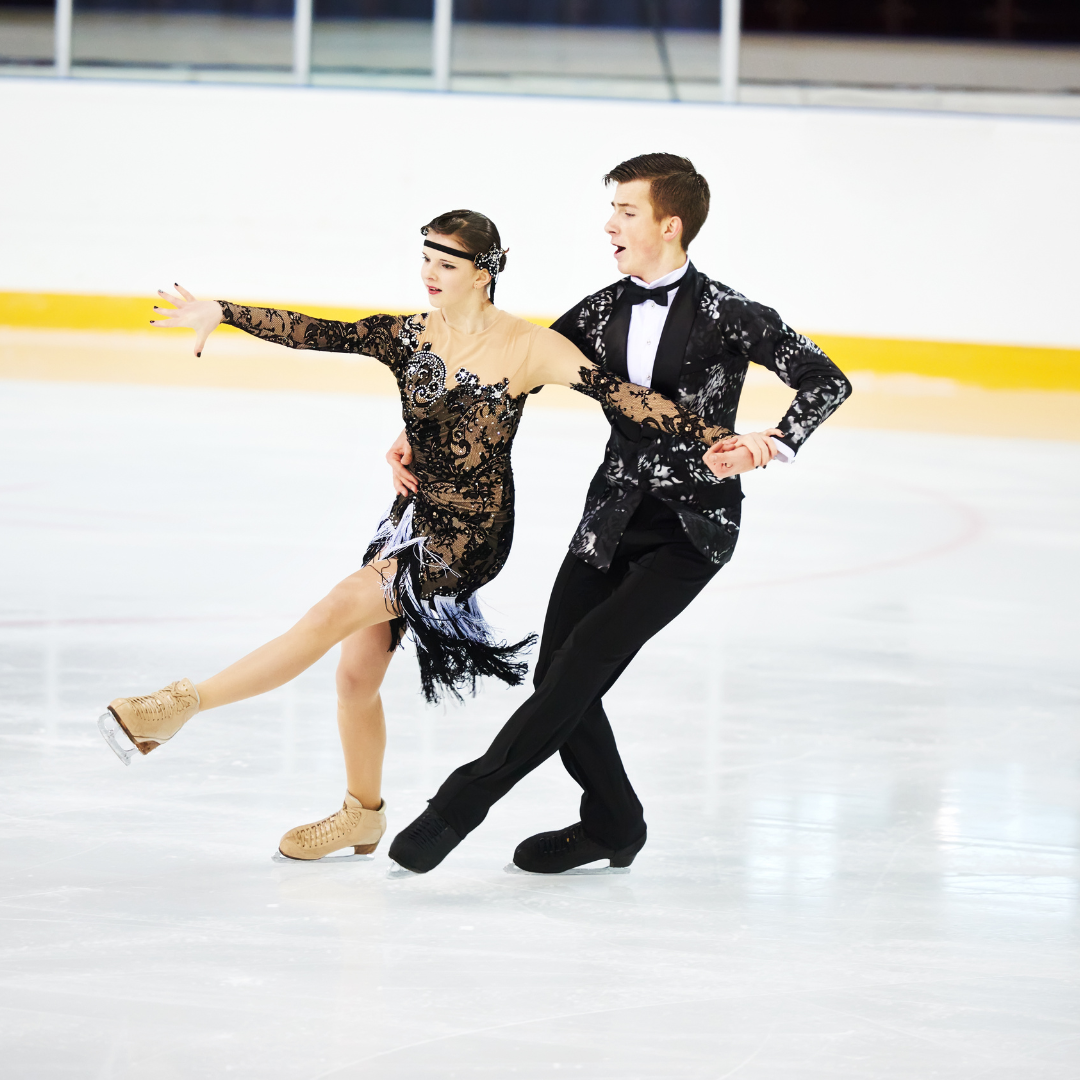
As the Winter Olympics unfold in Milan, I find myself moved again and again. Not by medals or scores, but by something far more essential. A quiet face holding years of sacrifice. A trembling breath after everything has been given. A moment of relief, devotion, and completion.
We feel it in our bodies. Our throats tighten. Our eyes fill. Something in us softens.
This response is not indulgent. It is biological. And it is profoundly human.
We Are Wired to Feel Each Other
When we witness extraordinary effort, our nervous systems do not remain neutral. Through emotional resonance and mirror neuron activation, we internally simulate what we are seeing. Musles tighten. Breath changes. We lean forward with anticipation and release when the moment resolves.
We do not merely watch courage.
We experience it.
The tears that come are not weakness or overreaction. They signal a parasympathetic release, a softening after activation. After witnessing intense striving, tension discharges. The nervous system settles. Something completes.
In a world that often asks us to stay composed and contained, these moments offer permission to feel.
The Stories We Carry With Them
What we feel in these moments is not sentimentality. It is the body recognizing something true, the untold years of devotion, the improbable journeys that brought these athletes here, and the pride and longing of the countries they carry with them.
We are not watching anonymous bodies in motion. We are witnessing lives shaped by sacrifice, political histories, economic realities, family devotion, and relentless perseverance. When an athlete steps onto the world stage, they carry both personal history and collective identity with them.
We feel the weight of that.
Devotion Disarms Our Defenses
There is something disarming about witnessing pure devotion. Years of repetition distilled into seconds. Injury, failure, return. Choosing effort again and again.
We recognize dedication even if our own arenas look different. We recognize effort. We recognize heartbreak. We recognize the courage to try again.
Authentic striving cuts through cynicism. It bypasses the protective layers we build to avoid disappointment. In the presence of real vulnerability and effort, our guardedness softens.
We are moved because something true is being revealed.
A Collective Nervous System Experience
The Olympics create something rare in modern life. A shared global emotional moment.
Across time zones, languages, and political divides, millions watch the same breath held in anticipation. A skier recovers from a near fall. A speed skater reaches across the finish line by fractions of a second. A biathlete steadies their breath in the cold before taking the final shot.
For a brief moment, the world witnesses together.
For most of human history, collective rituals regulated our nervous systems through ceremony, storytelling, and shared gathering. Today, life is fragmented. We consume experiences alone, on separate screens, in separate rooms.
But during the Olympics, something shifts.
We gasp together.
We celebrate together.
We cry together.
For a moment, the world breathes in unison.
Why Shared Emotional Experience Matters
Humans are not designed for isolation. We are relational beings whose nervous systems co-regulate through connection and shared emotional experience. Witnessing meaningful moments together reduces our sense of aloneness and reinforces our belonging to the human family.

Even when we sit alone on a couch, we are participating in something collective.
We feel part of something larger.
And this matters more than we often realize.
Tears as Regulation, Not Weakness
Many people feel surprised when they cry watching the Olympics.
But tears in these moments often signal safety and completion rather than distress. Emotional tears can release accumulated stress hormones and support nervous system regulation. They can reflect relief, awe, admiration, and reconnection.
Crying while witnessing courage is not fragility.
It is openness.
It is regulation.
It is the nervous system recognizing resilience and aliveness.
Remembering Our Shared Humanity
Most of us will never stand on an Olympic podium. But we all navigate effort, resilience, disappointment, and hope. We all know what it means to try, to fall short, and to begin again.
As the Winter Games continue in Milan, these moments ripple far beyond the ice arenas and mountain courses. They enter living rooms, quiet apartments, crowded cafés, and hospital waiting rooms. They cross languages and borders.
When we allow ourselves to be moved by another person’s courage, we participate in something ancient and necessary. We step outside the illusion of separateness and remember that we belong to one another.
In a divided world, these moments matter.
They remind us that beneath nationality, language, politics, and difference, there is a common heartbeat.
And sometimes, that recognition arrives as tears.